Austin homeowners often renovate existing houses to expand living space while staying in neighborhoods they value. Instead of relocating, many families choose a custom home renovation that improves how the house functions for everyday life.
One of the most transformative approaches in modern renovations is integrating indoor and outdoor living areas, elevating what homeowners already love about their space while unlocking its full potential. This strategy connects interior rooms with patios, decks, and outdoor kitchens so the home functions as a single, continuous environment.
When incorporated into a home renovation Austin project, indoor-outdoor flow can reshape how families gather, cook, and spend time together. The approach relies on layout adjustments, architectural openings, and outdoor living features that extend interior spaces naturally into the yard.
Indoor-outdoor living is a design approach that connects interior rooms with exterior areas, such as patios, decks, or courtyards. The goal is to create spaces that function together rather than operate independently.
Several design elements help create this connection:
These features allow daily activities such as cooking, relaxing, and hosting guests to extend naturally outdoors. However, many existing homes were not originally designed with this level of connection between indoor and outdoor spaces.
Older homes often have smaller rooms and limited access to outdoor areas. Renovations provide an opportunity to restructure these layouts.
Contractors may remove interior walls, enlarge openings in exterior walls, or reposition key rooms so they face the yard. These changes support a layout that allows interior and exterior spaces to function together.
Several factors contribute to the popularity of indoor-outdoor design in Austin renovations.
Austin’s climate allows outdoor areas to remain usable through much of the year. Patios, shaded seating areas, and outdoor kitchens provide comfortable gathering spaces beyond the home’s interior.
Many homeowners purchase older properties in established Austin neighborhoods because of their location, lot size, and surrounding community. These homes often have existing structures that reflect earlier design layouts.
Renovating the home allows families to remain in the area while improving how the house functions. Instead of relocating to a new development, homeowners can expand living spaces and modernize the layout while preserving the location they value.
For families who have already found the neighborhood they want to stay in, a custom home renovation becomes the path to getting the home they need, without leaving the community they love.
Homes today often serve multiple purposes. They function as gathering spaces for extended family, locations for remote work, and areas for recreation.
Because families spend more time at home, many look for ways to increase usable living space without expanding the home’s footprint. Connecting indoor rooms with outdoor areas allows everyday activities to extend beyond the interior while maintaining easy access between both spaces.
Renovations enable homeowners to rethink the relationship between key living spaces and the exterior of the home. This approach allows designers to arrange interior rooms so they connect more naturally with patios, decks, and other outdoor living areas.
Two layout strategies often guide this process.
One common approach is positioning the primary gathering spaces along the backyard side of the home. Designers frequently align rooms such as:
This arrangement allows larger openings, such as sliding doors or wide windows, to connect these spaces directly with patios or outdoor seating areas.
Layout planning also focuses on how people move through the home. Circulation paths between rooms are often designed to lead naturally toward outdoor spaces.
Furniture placement can reinforce this connection as well. Interior seating areas may mirror the arrangement of outdoor furniture, and pathways often align with patio entrances so movement between the two areas feels direct during everyday activities or gatherings.
Families considering a layout-focused renovation can connect with Freccia Group to explore what’s possible in their home.
Indoor-outdoor living depends on architectural elements that physically and visually connect interior rooms with outdoor areas. During a custom home renovation, these features help expand usable living space while maintaining a consistent design between the interior and exterior of the home.
Large glass door systems are among the most recognizable features of indoor-outdoor design. Traditional doors typically provide narrow openings, while sliding, stacking, or folding systems create wider passages that allow interior rooms to open directly onto patios or decks.
Home remodelers Austin often install door systems to create a direct connection between interior living spaces and outdoor spaces. These include:
Because installing these systems may require structural adjustments, contractors sometimes add reinforced beams or engineered framing to support the roof or upper floors. Planning these structural changes during a home renovation project in Austin helps ensure the new opening integrates properly with the existing structure.
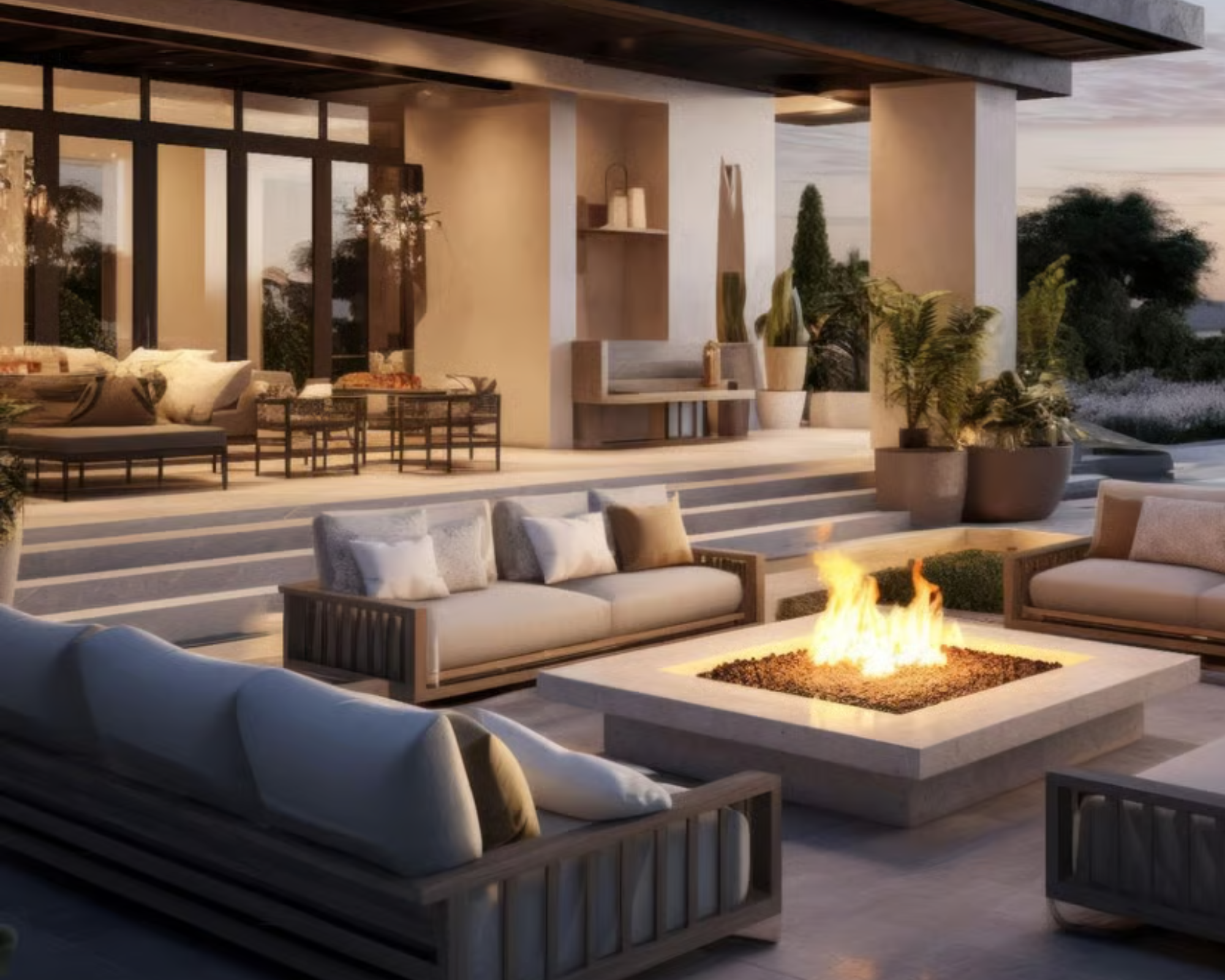
Outdoor living areas function as extensions of interior rooms. Instead of serving only as occasional gathering spaces, these areas support everyday activities such as relaxing, dining, and entertaining.
Many renovations include outdoor seating areas designed for regular use. These spaces often feature:
Outdoor dining areas are often positioned near the interior kitchen to make it easier to move food preparation and serving between spaces. In larger renovations, these areas may also include extended countertops or built-in seating that support gatherings with family and guests.
Material continuity helps reinforce the connection between indoor and outdoor environments. When flooring materials continue across the threshold, the transition between spaces becomes less noticeable.
For example, stone or tile flooring used inside a home may extend onto the patio, allowing the visual pattern to carry from the interior into the outdoor space. Similar colors and textures create continuity between the two environments.
Wood accents, ceiling treatments, and wall finishes may also appear in both areas. These design choices help establish a unified appearance while maintaining durability for outdoor exposure.
Indoor-outdoor design often relies on natural light and unobstructed views. Larger windows and glass doors allow daylight to reach deeper into the interior of the home, reducing reliance on artificial lighting during the day.
Renovation plans may also reposition interior elements that block views of the yard. For example, cabinetry, partitions, or storage areas can be relocated so sightlines from the kitchen or living room remain open.
Maintaining these views strengthens the visual connection between interior and outdoor areas while helping interior spaces feel larger.
Transitional spaces help manage the shift between interior rooms and open outdoor areas. Covered patios extend the roofline of the home to create shaded seating areas that remain connected to the rest of the yard.
These spaces often include lighting fixtures or ceiling fans that support year-round use.
Pergolas provide another transitional option. Their overhead beams or slats create partial shade while maintaining an open structure. Climbing plants or fabric coverings can increase the level of coverage while preserving airflow.
Some renovations also incorporate breezeways or transitional walkways that guide movement between indoor spaces and outdoor areas. These structures may include features such as:
Together, these features create gradual transitions between interior rooms and outdoor gathering spaces.
Just as outdoor living spaces can extend interior rooms, outdoor kitchens can also be designed to connect closely with the home’s indoor kitchen or dining area. When these spaces are positioned near one another, they create a more efficient flow for preparing, transporting, and serving food during gatherings.
Outdoor kitchens often include features such as:
These elements allow meals to be prepared and served outdoors with minimal back-and-forth between separate cooking spaces.
Entertainment areas may also include seating spaces arranged around televisions, fire features, or outdoor sound systems. These spaces support gatherings while maintaining access to both interior rooms and outdoor amenities.
At Freccia Group, we provide residential construction services for homeowners throughout Austin who want to improve how their homes function. Our team works closely with homeowners to evaluate the existing structure and identify practical ways to connect interior spaces with outdoor living areas.
Many of the homes we renovate were built with smaller rooms and limited access to the yard. Through a custom ome renovation, we reconfigure layouts, expand openings, and integrate outdoor features to make the home work bett er for daily life.
Every project begins with understanding how a family uses their home and what they love about it. From there, Freccia Group’s residential construction services are tailored to bring that vision to life:
At Freccia Group, we approach every residential project in Austin with respect for the existing structure and a commitment to elevating what homeowners already love about their space. From the first conversation to the final detail, the team delivers a smooth, guided experience — combining skilled craftsmanship with thoughtful design to create a home that feels both fresh and distinctly theirs.
Contact Freccia Group today to discuss your renovation goals and explore the next steps for your home renovation Austin project.