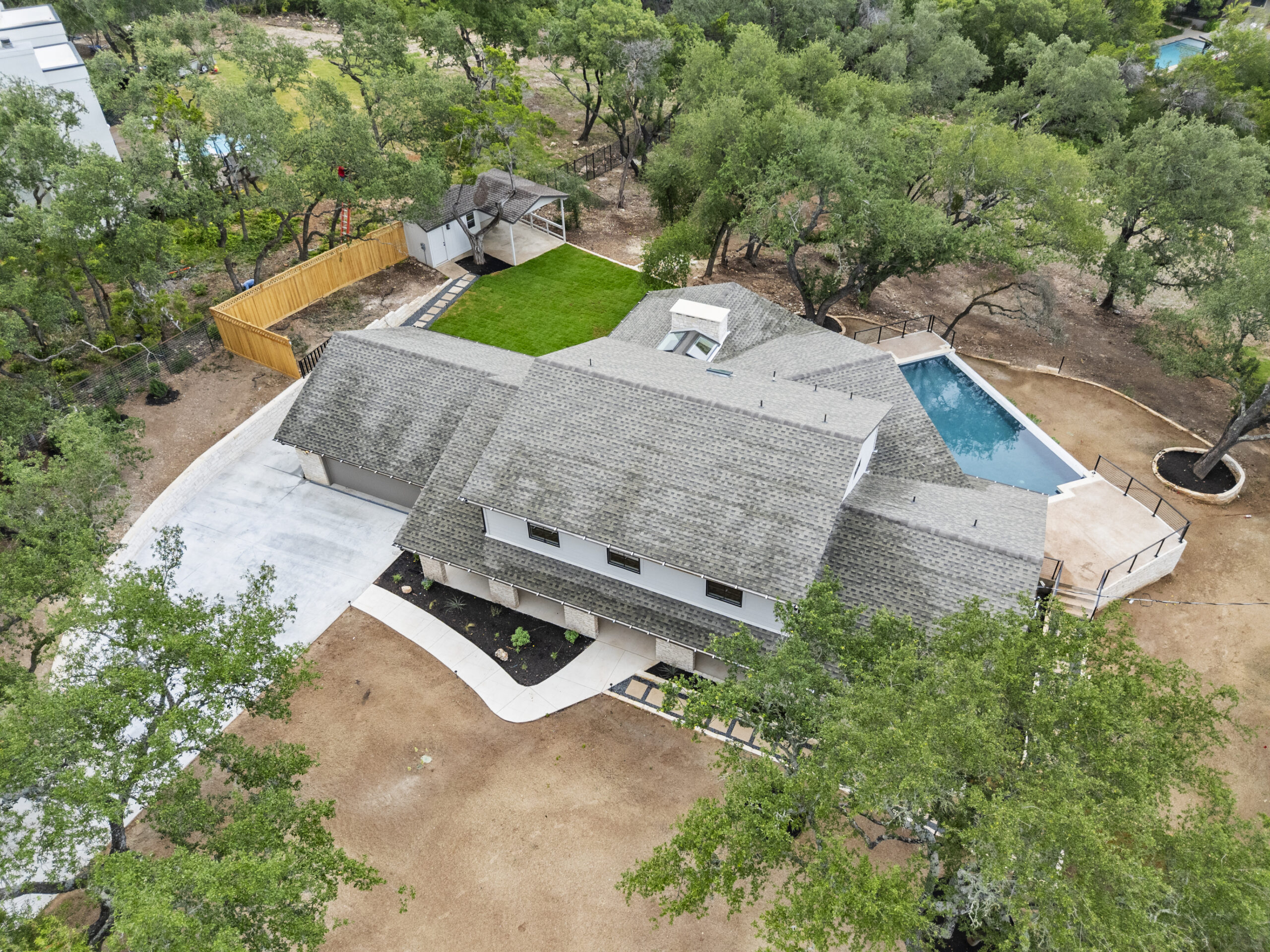
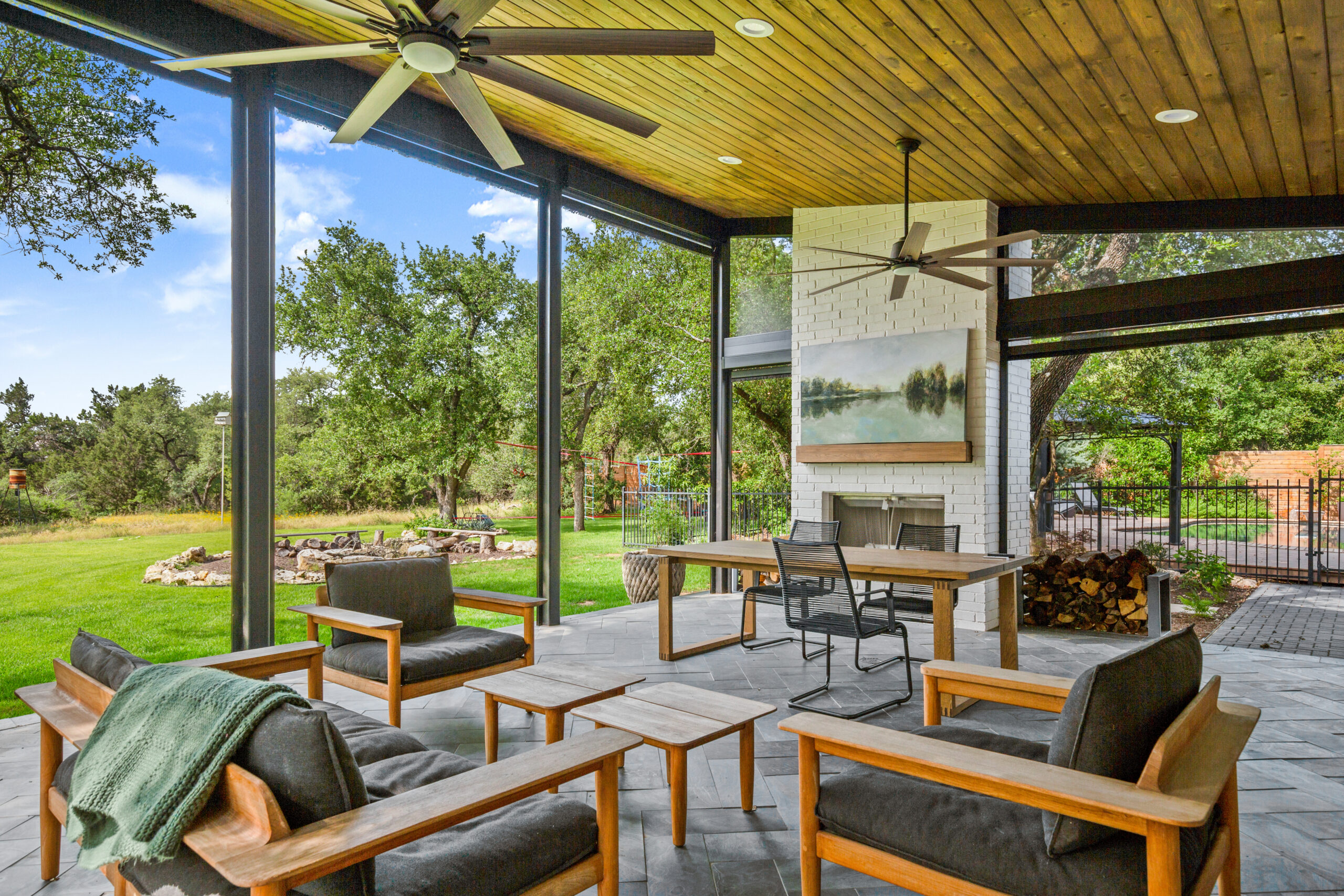
You’ve spent hours researching floor plans, saving color palettes, and adding lighting fixtures to your online shopping cart. But it’s one thing to pin items on your vision board; it’s another to turn your dream home into reality.
A custom home builder bridges the gap between your ideas and a finished home. They take your wish list, like a sunlit kitchen or a glassed-in porch, and translate it into a buildable plan.
But beyond following a blueprint, a builder acts as the lead orchestrator for your entire project. They manage the dozens of moving parts involved, from architectural drawings to overseeing contractors, to ensure that the finished home is exactly how you envisioned it.
A custom home builder is a company or contractor that specializes in constructing one-of-a-kind homes. They differ from volume or spec home builders in that they don’t mass-produce designs based on what they believe will sell. Instead, they build homes tailored precisely to their clients’ specifications, from layout and finishes to energy-efficient features.
A builder takes your vision and makes it structurally and financially viable. That means working alongside architects and designers to ensure the floor plan works with your lot’s slope, soil type, and setbacks, all while staying within your budget and meeting local codes. They refine your ideas into precise blueprints or 3D models, so you can see if any tweaks are needed before they break ground.
Permitting in the Austin metro area involves working with multiple jurisdictions, utility reviews, and HOAs. A seasoned custom home builder in Austin cuts through the red tape on your behalf. Since they’re locally based, they’ll know which documents the municipality requires and what inspectors look for.
Most importantly, they know how to avoid the delays caused by incomplete submissions. Their local knowledge alone can save weeks, sometimes months, on the overall project timeline.
Once construction begins, the builder becomes your quality control system on the ground. A typical day on an active build site covers a wide range of responsibilities:
Before keys change hands, a thorough builder conducts a detailed walkthrough to confirm every item on that list has been resolved. When interviewing builders, ask to see documentation from past final walkthroughs. How complete and organized that paperwork is tells you a great deal about the standards they held throughout the entire build.
Building a custom home is a co-creation process. The builder’s job is to bring your lifestyle into the design. Here’s what that typically involves:
A qualified builder sets a realistic budget from the start and tracks it against every decision made along the way. Most experienced builders recommend setting aside 10% to 15% of your total budget as a contingency reserve for unforeseen conditions, such as discovering poor soil compaction after excavation begins.
Timeline management follows the same principle: a builder who plans for weather delays, material lead times, and subcontractor availability will deliver far fewer surprises than one who quotes best-case scenarios to win the bid.
As part of their residential construction services, your builder should help you choose materials and finishes that fit your budget. They might suggest options like reclaimed wood, low-VOC paints, locally quarried stone, and energy-efficient window systems. If you have preferences for materials, finishes, and features, your builder can help you evaluate their suitability for your dream home.
A custom build typically involves a dozen or more specialty contractors, such as:
A builder sequences their schedules so each trade works in the right order and materials arrive when they are needed. This also helps ensure that every contractor is held to the standards outlined in the contract.
Regular and honest communication is what separates a smooth build from a stressful one. The best builders use project management portals or dedicated apps where homeowners can view updates and details like photos, approved change orders, and inspection results.
These tools eliminate the need for frequent calls to multiple people to get information. Weekly update calls also help alleviate the anxiety that comes from not knowing what is happening on your lot.
One common scenario that derails budgets is the informal request. For instance, a homeowner might ask to upgrade the tiles in their outdoor showers or bathrooms in the middle of the build. If that request isn’t formally logged as a change order, it can lead to unexpected costs that balloon the project total by the time the final invoice arrives.
A custom home builder flags every change before any work proceeds. They make sure to get your written approval alongside a revised cost so there are no surprises. This system keeps your budget accurate and transparent, and ensures your project stays on track.
The best builders build communication into the project structure from day one. Here is what that looks like in practice:
Choosing the right builder affects more than the quality of your finished home. It also influences its maintenance and energy costs as well as its resale value.
Reputable custom builders offer structural warranties of 10 years and workmanship warranties of one to two years. That coverage gives you recourse if problems surface after you’ve moved in. It also signals how confident a builder is in the quality of what they deliver. Be sure to ask for the warranty terms in writing before signing a contract.
Custom homes designed with energy-saving features cost less to heat and cool annually than older construction and spec houses. Over a 10-year period in the Texas climate, features like spray foam insulation, high-efficiency HVAC systems, and sealed building envelopes help homeowners shave a significant amount off their energy bills.
Custom homes often have high resale value due to their quality, premium finishes, and energy efficiency features. Buyers in the Austin metro prioritize documented build history and ratings like HERS®, which can lead to competitive offers and smoother sales.
Before signing with a builder, ask these three questions to help you verify their approach to craftsmanship and their accountability:
This is a common practice for efficiency projections.
The answer reveals how durable their builds are.
Texas builders typically offer 1-2-10 coverage for workmanship and materials, delivery and distribution systems like HVAC and electrical, and structural defects.
Creating a home that is tailored to your life is a significant journey, and you need a partner who values your vision as much as you do. At Freccia Construction, we specialize in bringing dream homes to life through unmatched craftsmanship and innovation.
As your custom home builder, we use your ideas as the foundation of your project to ensure that the finished structure meets or even exceeds your expectations. Whether you are planning a primary residence, a summer place, or a retirement property, you can trust us to handle every detail so you can focus on the excitement of moving in.
Our other residential construction services include bathroom renovations and kitchen remodels. We also offer room additions and accessory dwelling units (ADUs) to clients who wish to expand their living space at their existing property.
We’re excited to turn your ideas into blueprints. To get started, contact Freccia Construction today for a consultation.
Most custom homes in the Austin area take between 9 and 18 months from signed contract to move-in. The exact timeframe varies based on several factors, such as the size and complexity of the project, permit timelines in your municipality, and material lead times. Your builder should provide a project schedule during the preconstruction phase.
Nearly everything: Layout, ceiling heights, window placement, structural details, smart home technology, material selections, finishes, and outdoor living spaces are all on the table. The practical limits are your lot, local zoning codes, and budget.
Freccia Construction serves Austin and the surrounding communities, including Bee Cave, Cedar Park, Hutto, Georgetown, Round Rock, Leander, Liberty Hill, and West Lake Hills.